
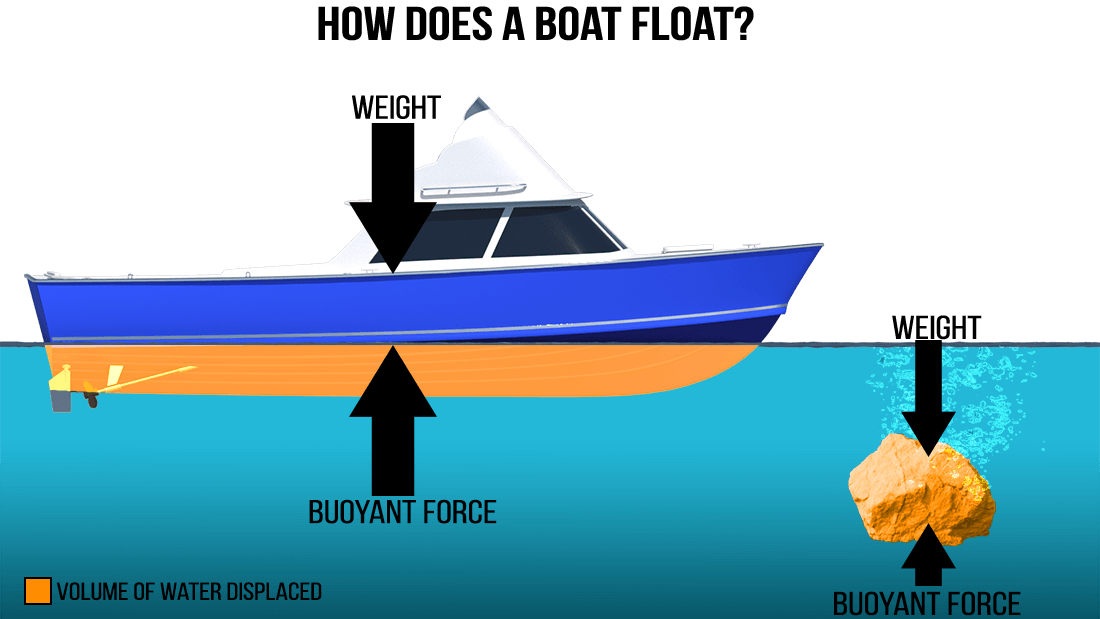
🚤 What is “buoyancy” in SAMSA terms?
Buoyancy just means your boat has enough built-in flotation (usually foam) to:
- Stay afloat if swamped
- Support the weight of the boat, engine, and people onboard
Think of it like this:
Even if everything goes wrong, your boat becomes a floating platform instead of sinking.
🧱 How do they achieve this?
SAMSA requires boats (especially small craft) to have closed-cell foam installed in the hull.
Why foam?
- It doesn’t absorb water
- It keeps its shape
- It provides permanent flotation
⚖️ Two main types of buoyancy
1.
Basic Buoyancy
- Boat will float when flooded
- BUT may float awkwardly (nose up, sideways, etc.)
- People may struggle to stay on or hold on
👉 This is the minimum standard
2.
Level Buoyancy (better & safer)
- Boat floats upright and level when full of water
- You can stay inside or hold onto it safely
- Engine weight is accounted for
👉 This is what you want for:
- Fishing boats
- Commercial use
- Offshore trips
📏 Which boats must comply?
In South Africa, SAMSA generally applies buoyancy rules to:
- Small boats under 9 meters
- Recreational and commercial vessels
- Ski-boats, fishing boats, inflatables (with some variation)
🧮 How is buoyancy calculated?
A SAMSA-approved boat builder or surveyor calculates:
- Weight of hull
- Weight of motors
- Fuel
- Equipment
- People capacity
Then they install enough foam to offset that total weight
👉 Rough idea:
1 cubic meter of foam supports about 1000 kg (minus foam weight)
📜 What is a buoyancy certificate?
This is critical.
A buoyancy certificate proves:
- Your boat has been properly designed or inspected
- It meets SAMSA flotation requirements
You’ll need it for:
- Licensing your boat
- Commercial operations
- Safety inspections
⚠️ Common real-world mistakes (I see this a lot in SA boating)
- ❌ Removing foam to create storage space
- ❌ Waterlogged foam (older boats)
- ❌ Repowering with heavier engines without recalculating buoyancy
- ❌ DIY modifications without certification
👉 These can make a “legal” boat dangerous very quickly
🌊 Why this matters (especially in Cape Town)
Local conditions aren’t forgiving:
- Cold water
- Strong currents
- Rapid weather changes
If you capsize or swamp:
👉 Your boat is your lifeboat
Without proper buoyancy, survival time drops drastically.
🧠 Simple takeaway
- Buoyancy = your backup survival system
- Foam = what keeps you alive when things go wrong
- Level buoyancy = gold standard